
Blog
Buying a House or Apartment in Kathmandu? 3 Structural Safety Features You Must Verify
By Deepti Neupane
•
1 month ago
•
6 views
Blog
By Deepti Neupane
•
1 month ago
•
6 views
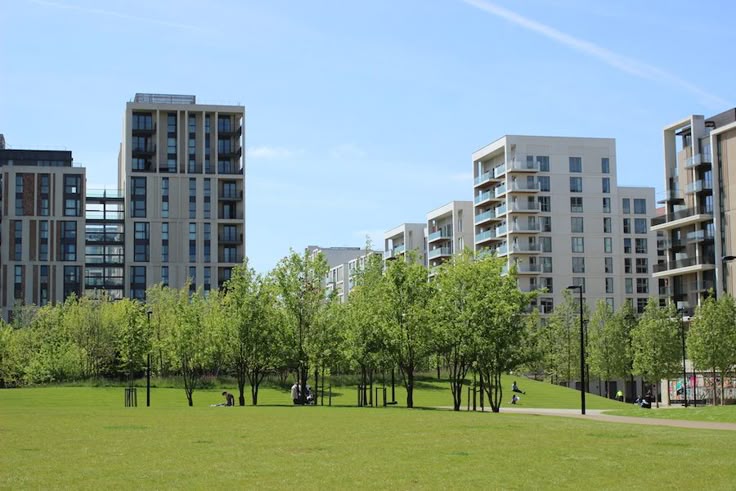
When house hunting in Kathmandu, it is incredibly easy to get distracted by luxury finishings false ceilings, modern modular kitchens, and imported bathroom fittings. But given the Valley's unique geography and seismic history, cosmetic beauty should always come second to structural safety.
Following major updates to the Nepal National Building Code (specifically the strict NBC 105:2020 and its 2025/2026 refinements for seismic design), building standards have drastically changed.
Whether you are purchasing a standalone house or looking at a multi story apartment unit, here are the three non negotiable structural safety features you must verify with an engineer before buying.
For a standard 2.5 to 3.5 story residential home in Kathmandu, old construction habits often utilized 9x9 inch or 12x12 inch concrete pillars. Under modern seismic safety standards, these are often insufficient for long term safety.
Many independent homeowners in Kathmandu build their properties, move in, and completely skip the final legal step: obtaining their completion certificate from the local municipality.
The soil composition across the Kathmandu Valley varies dramatically. Properties sitting near old riverbed corridors (such as areas near the Dhobi Khola, Bagmati, or Bishnumati fringes) sit on soft, loose alluvial soil that reacts completely differently during low frequency vibrations compared to properties built on firm ground like Maharajgunj or Bansbari.
Safety First, Investment Second: A house is the biggest investment you will ever make. Never risk your family's safety or your hard earned capital on a property with unverified structural history.